On January 8, 2025, the College of Environmental Science and Engineering (CESE) successfully held the Interdisciplinary Graduate Student Academic Forum on “Environmental Quality Evolution and Ecological Response.” This forum was part of the key interdisciplinary initiative under Tongji University’s Interdisciplinary Cluster for Low-Carbon Development, Environmental Governance, and Health, which is led by CESE.
Spearheaded by Professor Yin Daqiang, the initiative brings together the expertise of over 20 faculty members across various disciplines, including environmental science, marine science, chemistry, and computer science. The forum provided a dynamic platform for graduate students to engage in academic exchange and present research at the intersection of environment and ecology.
The initiative aims to unravel the mechanisms and trends behind environmental quality evolution and ecological responses within river basins, especially in the context of climate change and intensive human activities. Through a blend of interdisciplinary theoretical frameworks and cutting-edge technologies, the effort seeks to advance both fundamental understanding and practical solutions in environmental research and management.
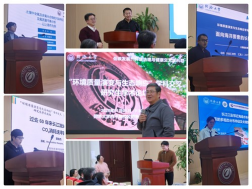
On January 8, 2025, the College of Environmental Science and Engineering (CESE) at Tongji University successfully organized the Interdisciplinary Graduate Student Academic Forum on “Environmental Quality Evolution and Ecological Response.” This event was rooted in one of the university’s key interdisciplinary focus areas under the “Interdisciplinary Cluster for Low-Carbon Development, Environmental Governance, and Health,” which is led by CESE and guided by Professor Yin Daqiang. The cluster brings together more than 20 faculty members from diverse academic backgrounds, including environmental science, marine science, chemistry, and computer science. Their collective goal is to understand the patterns and mechanisms of environmental quality evolution and ecological response in river basins influenced by climate change and human activities through integrated theoretical research and technological application.
The academic forum explored four major thematic directions: the evolution of river basin environmental quality and its ecological impacts, toxicology and ecological risks associated with high-risk pollutants in river systems, the migration and source-sink processes of pollutants across multiple environmental interfaces, and advanced methods for three-dimensional observation and intelligent assessment of ecological environmental quality. Throughout the forum, twenty master's and doctoral students from different academic disciplines presented their latest research findings. Their presentations received insightful professional feedback from over twenty faculty members specializing in these research areas. The discussions were dynamic and interdisciplinary, with exchanges between students and professors continuously sparking new ideas and perspectives.
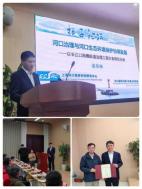
A significant highlight of the forum was the special “Yangtze Forum” lecture delivered by Professor Wu Hualin, Deputy Director of the Shanghai Estuary and Coastal Research Center and adjunct professor at CESE. In his lecture titled “Coordinated Development of Estuary Management and Estuarine Ecological Environmental Protection,” Professor Wu provided a comprehensive overview of the geomorphological, hydrological, sedimentary, and ecological characteristics of the Yangtze River Estuary. He also shared practical experiences and insights into the ecological effects of the Yangtze Estuary waterway project on the Jiuduansha Wetland, along with the corresponding protective measures taken to safeguard the ecosystem.
Professor Zheng Xiong, Vice Dean of CESE and Deputy Director of the Key Laboratory of Yangtze River Water Environment under the Ministry of Education, delivered the opening remarks for the special lecture and presented a certificate of appreciation to Professor Wu. This forum served as a meaningful academic platform that promoted interdisciplinary collaboration and stimulated innovation in environmental research. It empowered both faculty and students to pursue more integrated scientific understanding and cooperative solutions to real-world environmental challenges through a multidisciplinary lens.


 中文
中文 Tel 021-65983869
 Wechat